

 Service Hotline
-

What are the risks associated with the operation of carbon steel spiral plate heat exchangers with i
The medium carrying solid impurities (such as sediment, metal oxide scale, welding slag, crystalline particles, fiber suspension, etc.) into the carbon steel spiral plate heat exchanger channel can bring a series of risks such as wear, blockage, corrosion, structural deformation, and heat transfer failure. According to GB/T 28712 "Spiral Plate Heat Exchanger" and relevant specifications for pressu
Learn more -

What are the characteristics of vertical polishing storage tanks
1、 Structural characteristics 1. Vertical cylindrical structure, with an elliptical/butterfly shaped head on the upper part and optional butterfly or conical heads on the lower part; Leg or skirt support, making full use of vertical space, occupying a small area, and facilitating the centralized arrangement of multiple units in the tank area.
Learn more -

What should be paid attention to when using a deodorization tower in daily life
1、 Normal operation process parameter control (daily production) 1. Vacuum degree (deodorization lifeline) Absolute pressure stability control ≤ 3-4 mbar; Vacuum fluctuations can directly cause incomplete deodorization, oil discoloration, and lingering aftertaste. Check the steam jet pump and circulating cooling water temperature. If the cooling water temperature is too high, it wil
Learn more -

Where are stainless steel towers mainly used
Stainless steel tower belongs to pressure vessel mass transfer equipment, which is divided into distillation tower, absorption tower, desorption tower, extraction tower, washing tower, etc. It relies on gas-liquid/liquid-liquid mass and heat transfer to complete separation, absorption, purification, and gas purification; Select 304, 316L, duplex stainless steel, corrosion-resistant, hygienic and n
Learn more -

What is the working principle of a horizontal carbon steel storage tank
1、 Basic Definition Horizontal carbon steel storage tanks belong to atmospheric and low-pressure static equipment. The cylinder is horizontally arranged and made of carbon steel (mainly Q245R and Q345R). They are mainly used for storing liquid media (oil products, chemical raw materials, sewage, solvents, etc.), and the design pressure is mostly atmospheric or slightly internal pressure (ge
Learn more -

What is the main function of the outer coil stainless steel tower
1、 Core functional role 1. Heating, cooling, and correct temperature control of materials inside the tower (most importantly) Steam, thermal oil, and hot water (heating) are introduced into the coil; Cooling water and frozen salt water (cooling) transfer heat to internal materials through coils → tower walls, achieving heating, cooling, and constant temperature maintenance, adapting to exo
Learn more -

What are the characteristics of a coil reactor
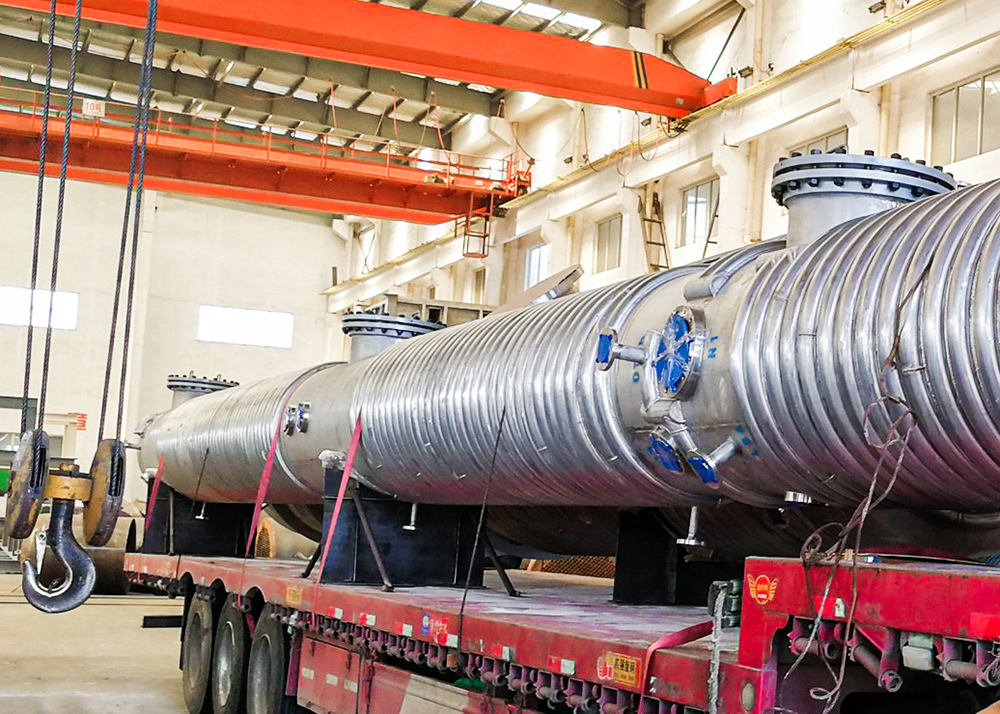
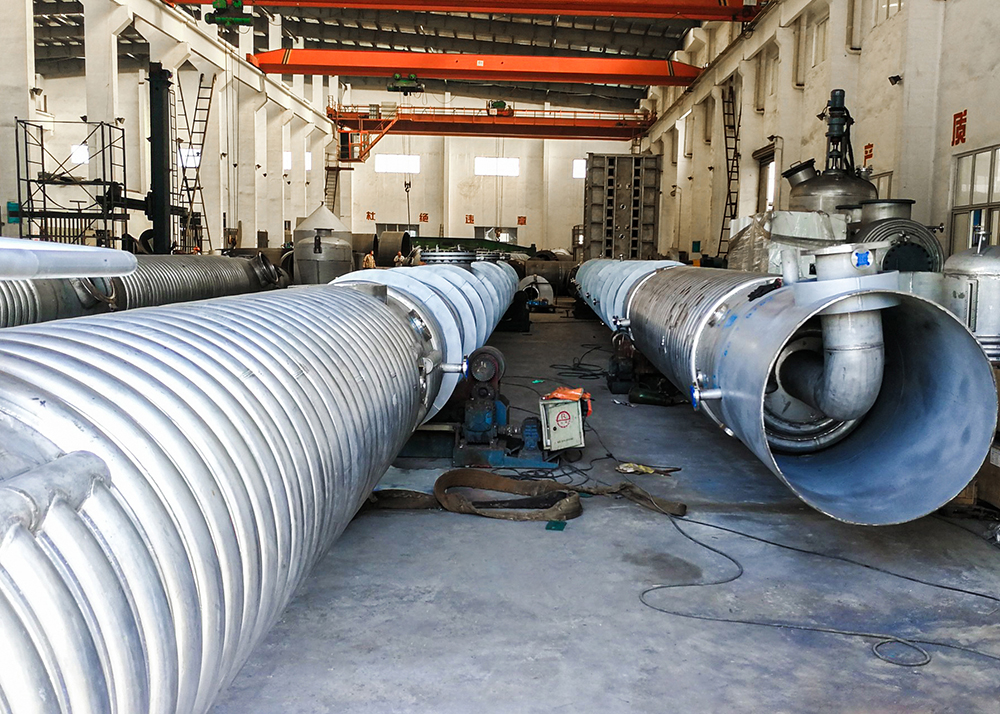
Coil reaction vessels are divided into two categories: Built in coil (immersion coil inside the kettle) Outer half tube coil (welded semi-circular tube on the outside of the cylinder, commonly known as outer coil) Core function: Introduce steam, thermal oil, cooling water, and frozen salt water to achieve heating/cooling, replacing traditional jacketed reactors.
Learn more -

What is the maintenance cost of stainless steel towers
1、 Split of maintenance cost composition The maintenance of stainless steel towers is divided into two parts: maintenance of the tower body and maintenance of the tower internals (packing, nozzles, defoggers, supports)
Learn more -

What are the applications of vertical carbon steel storage tanks in the energy industry
1、 Petroleum and refined oil storage and transportation (the most core application in the oil and gas industry) 1. Crude oil storage tank area Large external floating roof vertical carbon steel storage tanks are used for crude oil receiving, transit, and strategic reserves in refineries, oil depots, and ports.
Learn more -

What are the applicable media for carbon steel spiral plate heat exchangers
Applicable prerequisites: medium pH=6-9, chloride ion<200mg/L, free acid, hydrogen sulfide, fluoride ion; Working temperature 0-350 ℃, pressure ≤ 2.5MPa; When the board is not lined for anti-corrosion, it is only used for non corrosive or extremely weak corrosive conditions.
Learn more
Welcome to Changshu Longyu Chemical Equipment Co., Ltd.




More than 20 years of focus on R&D and production of chemical equipment
Provide I, II carbon steel and stainless steel pressure vessel solutions

Service Hotline:
0512-52093708
+
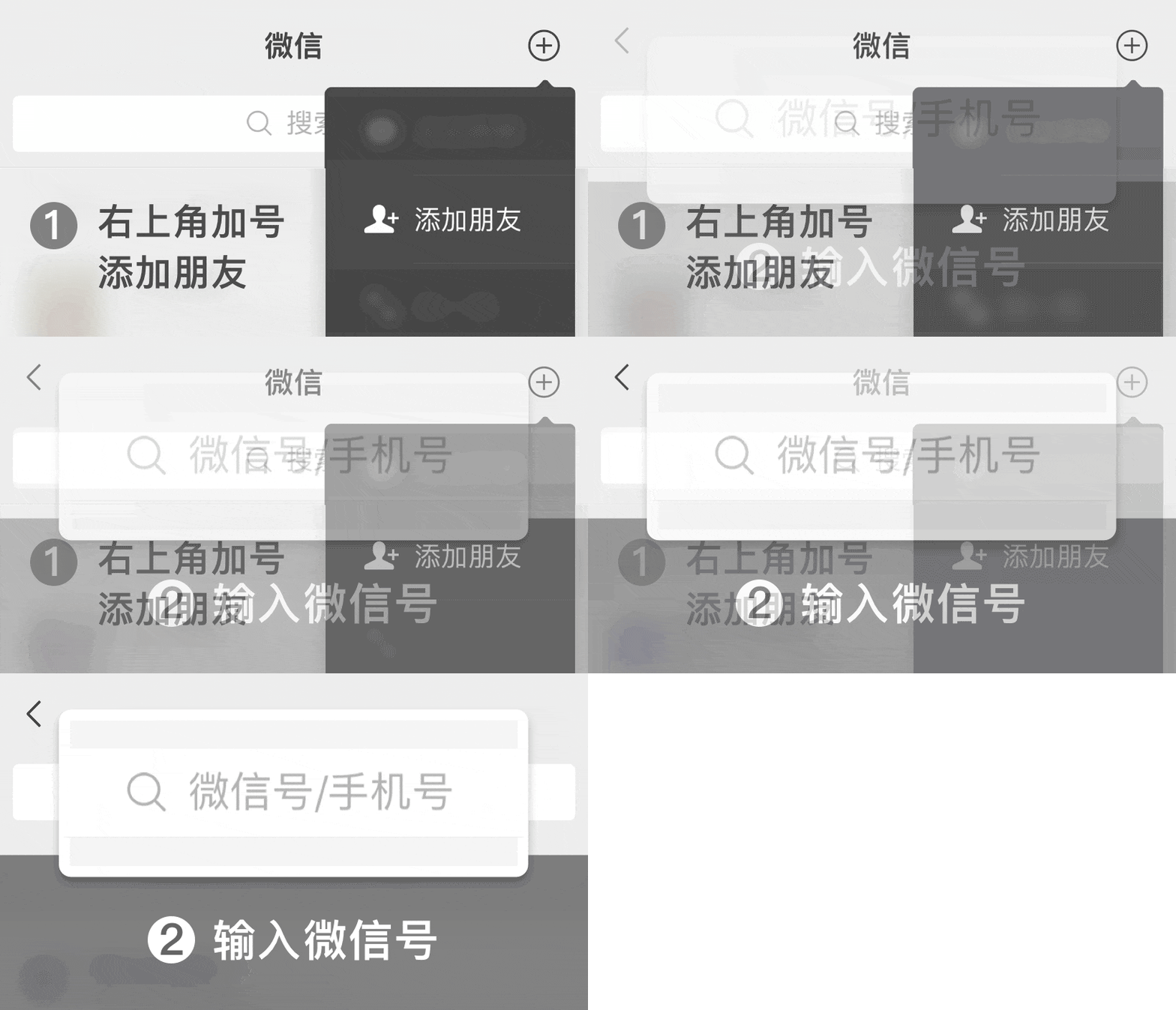
Wechat number:18626143580

 Hotline:0512-52093708
 E-mail:yutezjl@163.com
 Address:No. 101, Taojia Bridge, Dahe Village, Shanghu Town, Changshu City, Suzhou City, Jiangsu Province


 Add wechat
 Contact us
 Telephone