What are the characteristics of vertical polishing storage tanks
Information summary:1、 Structural characteristics
1. Vertical cylindrical structure, with an elliptical/butterfly shaped head on the upper part and optional butterfly or conical heads on the lower part; Leg or skirt support, making full use of vertical space, occupying a small area, and facilitating the centralized arrangement of multiple units in the tank area.
1、 Structural characteristics
1. Vertical cylindrical structure, with an elliptical/butterfly shaped head on the upper part and optional butterfly or conical heads on the lower part; Leg or skirt support, making full use of vertical space, occupying a small area, and facilitating the centralized arrangement of multiple units in the tank area.
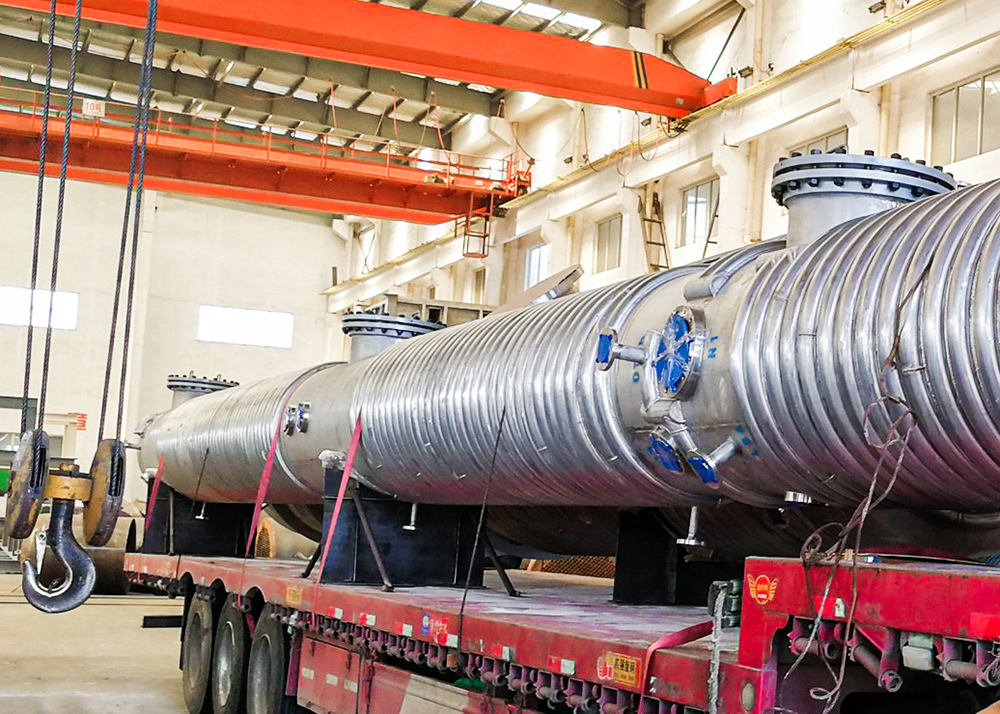
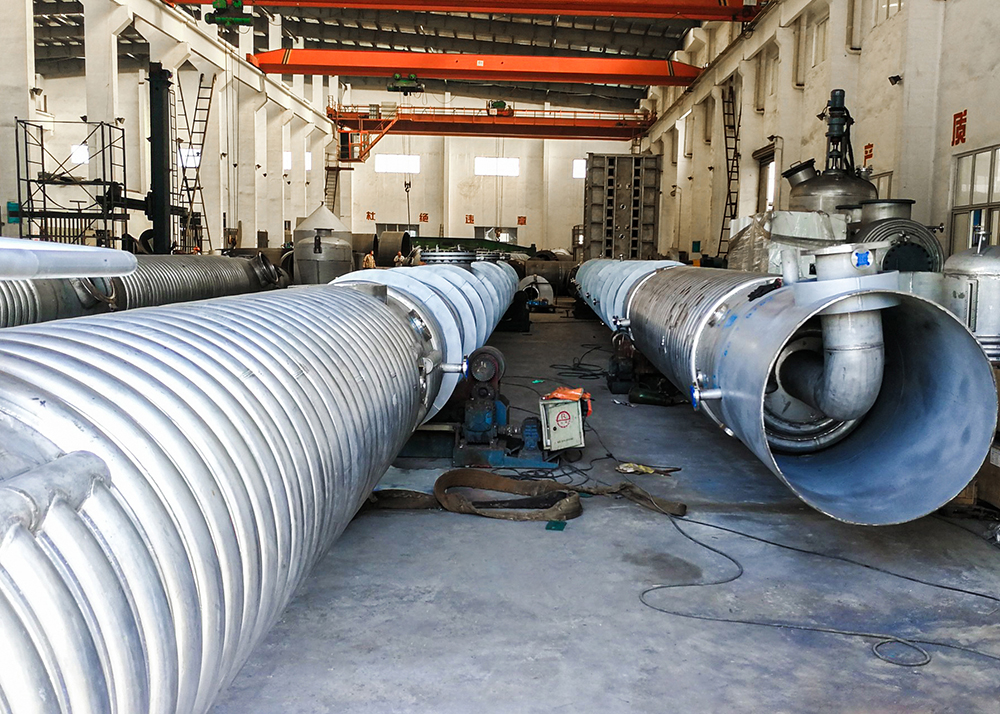
2. Inner wall polishing treatment: mechanical polishing or electrolytic polishing, with a roughness of Ra ≤ 0.8 μ m; The weld seam is polished and polished, and all corners have rounded transitions without sharp corners or dead corners, making it less prone to material residue.
3. Configurable: Manhole, feed inlet, discharge outlet, drain outlet, sight glass, breathing valve/sterile respirator, CIP cleaning ball, liquid level sensor, temperature interface; The interface is often connected using sanitary grade quick release chucks.
4. Optional structure: single-layer room temperature storage; Double layer insulation (polyurethane foam); Jacket type, capable of heating, cooling and temperature control.
5. Argon arc welding is used for welding, and the weld seam is treated with acid pickling, passivation, and polishing; Conduct water pressure and air tightness tests before leaving the factory to prevent leakage.
2、 Core performance advantages
1. Clean and hygienic, not easy to breed bacteria
The polished inner wall is smooth, and the material is not easily adhered to residue; Support CIP online cleaning, and some can support SIP online sterilization; Meets GMP and food hygiene standards, suitable for storing pharmaceuticals, dairy products, beverages, and purified water.
2. Corrosion resistance and long service life
304 is suitable for neutral media; 316L resistant to chloride ions and weak acidity and alkalinity; Polishing and passivation strengthen the passivation film, which has better corrosion resistance than ordinary unpolished storage tanks; Sealed storage reduces contact between materials and external pollution.
3. Land saving and good process adaptability
Vertical layout occupies a small floor area; The discharge port is arranged at the bottom, and the conical bottom can achieve complete emptying of materials and reduce residual liquid; The liquid level monitoring and pump group pipeline layout are convenient, making it easy to connect to automated production lines.
4. Flexible configuration and strong ability for non-standard customization
The volume ranges from several hundred liters to tens of cubic meters; Insulation, jacket, and mixing devices can be added as needed; Attachments can be added or removed, suitable for various working conditions such as storage, buffering, and temporary storage.
5. Sealed safety
Equipped with a breathing filter to balance the pressure inside the tank and prevent dust and microorganisms from entering; Optional safety valve and liquid level alarm, safe and reliable under normal/micro pressure conditions.
3、 Existing shortcomings
1. The vertical tank has a high height and requires proper foundation bearing capacity. Therefore, it is necessary to carry out foundation treatment to prevent uneven settlement.
2. The maintenance operation inside the tank is inconvenient, and entering the interior requires cleaning the tank, ventilation testing, and complex maintenance procedures.
3. Under the same volume, if the height is higher than the horizontal storage tank and the height of the factory building is insufficient, it is limited.
4. Polishing and electrolytic polishing will increase manufacturing costs and are more expensive compared to ordinary industrial storage tanks.
5. The material naturally settles significantly, and the easily sedimentable medium needs to be mixed with stirring, otherwise impurities may accumulate at the bottom.
4、 Main application industries
1. Pharmaceutical industry: Purified water, injection water, drug solutions, intermediate temporary storage tanks that meet GMP cleanliness requirements.
2. Food and beverage industry: dairy products, fruit juice, syrup, alcoholic beverages, edible oil storage buffer tanks.
3. Chemical and daily chemical industries: Storage of cosmetic raw materials, cleaning agents, neutral and weakly corrosive chemical liquids.
4. Water treatment: storage of ultrapure water and purified water.
5、 Key points of selection
1. Material for determining corrosive environment: ordinary medium 304; Salt and chloride ion environments are preferred for 316L.
2. Clarify the polishing method: mechanical polishing or electrolytic polishing, and agree on the inner wall roughness Ra value.
3. Bottom head: Cone head is preferred for discharge.
4. Operating condition: Select single-layer at room temperature; Select insulation layer for constant temperature materials; A jacket structure is required for heating and cooling.
5. Hygiene conditions: hygiene grade quick release interface, CIP cleaning ball, and sterile respirator are required.








 Service Hotline

 Hotline:0512-52093708
 E-mail:yutezjl@163.com
 Address:No. 101, Taojia Bridge, Dahe Village, Shanghu Town, Changshu City, Suzhou City, Jiangsu Province


 Add wechat
 Contact us
 Telephone