What are the applications of coil reactors in the pharmaceutical industry
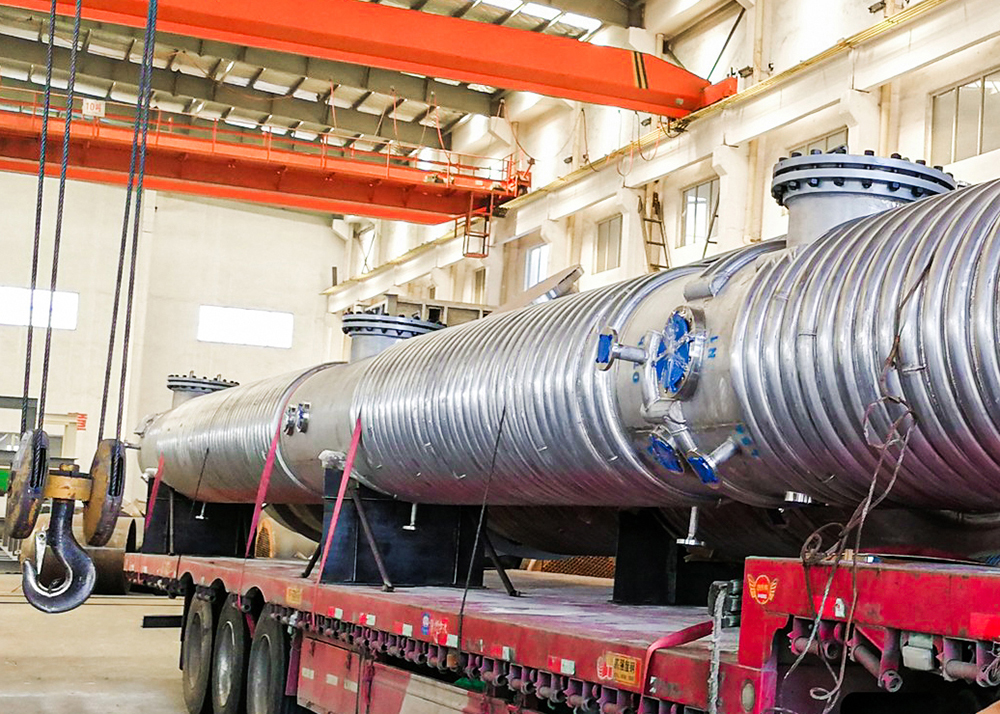
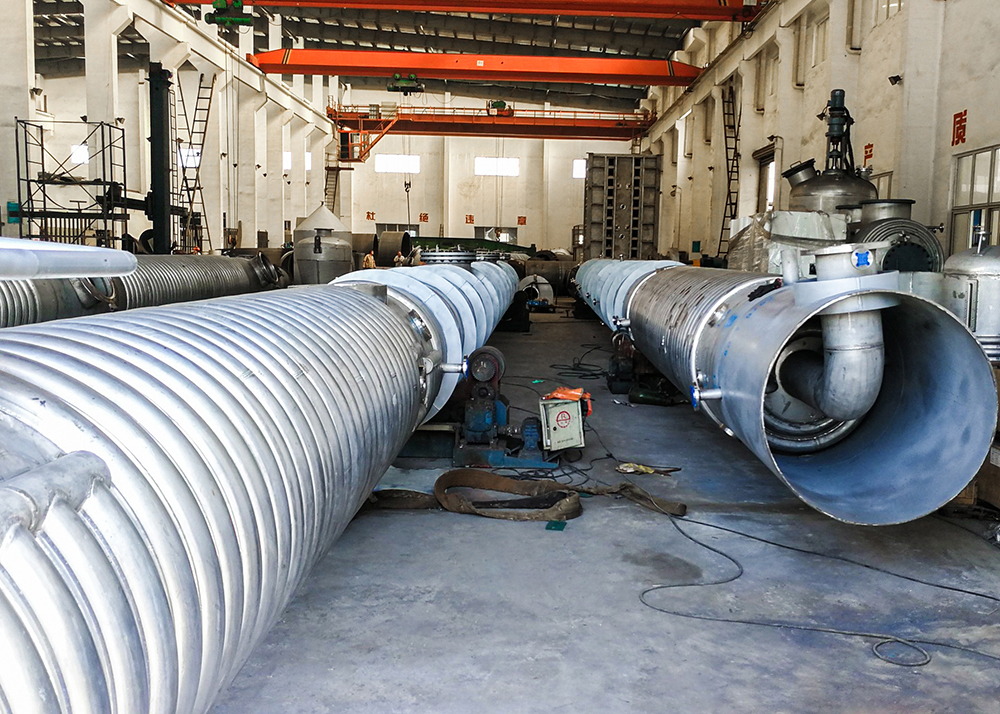
Information summary:The core advantages of coil type reaction vessels are fast heat transfer rate, high temperature control accuracy, suitable for large volumes, and the ability to quickly raise and lower temperatures. The sanitary version (316L, mirror polished, CIP online cleaning) meets GMP standards and is a commonly used equipment for raw materials, intermediates, formulations, and traditional Chinese medicine e
The core advantages of coil type reaction vessels are fast heat transfer rate, high temperature control accuracy, suitable for large volumes, and the ability to quickly raise and lower temperatures. The sanitary version (316L, mirror polished, CIP online cleaning) meets GMP standards and is a commonly used equipment for raw materials, intermediates, formulations, and traditional Chinese medicine extraction.
1. Synthesis of API raw materials and pharmaceutical intermediates (main scenarios)
Multi step organic synthesis of small molecule drugs: esterification, acylation, condensation, addition, substitution, cyclization and other reactions. Many synthesis reactions release intense heat, and coil heat exchange can quickly remove the reaction heat, prevent local overheating, reduce impurity generation, and improve batch stability.
Low temperature synthesis process: Some antibiotics and targeted drug intermediates require low temperature (minus tens to minus tens of degrees Celsius) temperature control, and the heat exchange efficiency of the coil refrigerant is better than that of ordinary jacketed kettles.
Hazardous reactions: Strong exothermic and high-risk reactions such as nitrification and diazotization have fast heat exchange response and higher safety redundancy in the coil.
2. Drug crystallization process (very high frequency)
Cooling crystallization, dissolution crystallization, and reaction crystallization are key processes for purifying raw materials and controlling crystal form and particle size
Coils can achieve linear slow cooling, step temperature control, control nucleation and crystal growth, and avoid explosive nucleation causing crystal morphology disorder and uneven particle size; Suitable for crystallization and purification of cephalosporin, levofloxacin, and various generic drug raw materials, facilitating subsequent filtration and centrifugation to improve purity and yield.
3. Preparation process production
Emulsification, homogenization and mixing of suspension, gel, ointment matrix and pharmaceutical emulsification system (cream, fat emulsion precursor), suitable for medium and high viscosity materials; There are no coil obstacles inside the outer coil kettle, and the mixing space is sufficient. It is not easy to hang on the wall or leave residual materials, making it convenient for CIP cleaning.
Synthesis of pharmaceutical excipients: polymerization and modification reactions of polyethylene glycol derivatives, pharmaceutical film-forming materials, solubilizers, and sustained-release carrier polymers.
4. Extraction, concentration, and preparation of extracts from traditional Chinese medicine/herbal medicine
Used for traditional Chinese medicine extraction, reflux extraction, vacuum concentration, and alcohol precipitation processes; Low temperature concentration under vacuum conditions, heat exchange between coil heat transfer oil/cooling water, and high-temperature degradation of thermosensitive active ingredients (flavonoids, alkaloids, saponins) are used to produce traditional Chinese medicine extracts, plant extract raw materials, and health and food extracts.
5. Biopharmaceutical related processes
Post fermentation treatment: inactivation, transformation, hydrolysis, and compounding of fermentation broth;
Mild reaction, compounding, and buffering system formulation of peptides and protein intermediates, hygienic polishing+no dead corner structure, reducing the risk of microbial contamination;
Note: The main fermentation tank for cell culture is generally not a coil kettle. Coil kettles are often used for downstream biological transformation, inactivation, and pre purification reaction processes.
6. Solvent recovery, desolvation, and distillation
After the synthesis of raw materials, the reaction solvents (methanol, ethanol, dichloromethane, etc.) are removed under negative pressure in the kettle, and heating is provided by a coil. The temperature is stable and controllable, suitable for batch solvent recovery, reducing solvent residue, and meeting the requirements of the pharmacopoeia solvent residue limit.






 Service Hotline

 Hotline:0512-52093708
 E-mail:yutezjl@163.com
 Address:No. 101, Taojia Bridge, Dahe Village, Shanghu Town, Changshu City, Suzhou City, Jiangsu Province


 Add wechat
 Contact us
 Telephone