What is the application of coil reactor in the chemical industry
Information summary:The core of a coil type reactor relies on internal/external coils to achieve efficient, fast, and accurate temperature control. It is mainly used for chemical reactions that require strong heat release/absorption, rapid temperature rise and fall, and temperature sensitivity. It is widely used in chemical, polymer, petrochemical, pharmaceutical intermediates, and other fields.
The core of a coil type reactor relies on internal/external coils to achieve efficient, fast, and accurate temperature control. It is mainly used for chemical reactions that require strong heat release/absorption, rapid temperature rise and fall, and temperature sensitivity. It is widely used in chemical, polymer, petrochemical, pharmaceutical intermediates, and other fields.
1、 Core advantages (compared to traditional jacketed kettles)
High heat transfer efficiency: The inner coil is directly immersed in the material, with a heat transfer coefficient 2-3 times that of the jacket, resulting in low heat loss and fast response.
Correct temperature control: Temperature fluctuations can be ≤ ± 0.5 ℃, suitable for strong exothermic reactions such as nitrification and polymerization, avoiding local overheating and side reactions.
Compact structure: does not increase the diameter of the kettle, higher pressure resistance (thinner kettle wall), suitable for high/medium high pressure working conditions.
Lower energy consumption: Short heating/cooling time, significant energy savings.
2、 Typical applications in the field of chemical engineering
1. Chemical industry
Nitrification reactions, such as the synthesis of nitrobenzene and nitroglycerin, require rapid heat transfer to prevent loss of control due to strong exothermic reactions.
Sulfonation/esterification/condensation: For the production of dyes, fragrances, and plasticizers, correct constant temperature is required.
Hydrogenation/hydrogenation: such as organic synthesis, oil hydrogenation, medium high pressure+temperature control, ensuring safety and selectivity.
Free radical polymerization: such as acrylic ester and styrene polymerization, with rapid heat removal and controlled molecular weight distribution.
2. Polymer/resin synthesis
Epoxy resin, unsaturated polyester, polyurethane: polymerization exothermic, coil cooling fast, anti gel, viscosity control.
PVC、 Latex and lotion polymerization: stable temperature control at low/medium temperature to improve product stability.
3. Petrochemical industry
Alkylation/alkylation: such as the synthesis of ethylbenzene and isopropylbenzene, with intense heat release, requiring efficient heat exchange.
Cracking/reforming: In some medium and low temperature sections, rapid temperature rise and fall are suitable for multi-stage reactions.
4. Pharmaceutical and pesticide intermediates
Aseptic/high-purity synthesis: The outer coil tube is easier to clean and prevents contamination; The inner tube is used for rapid crystallization/hydrolysis.
Post fermentation treatment: such as antibiotic concentration, reaction conversion, mild temperature control to maintain activity.
5. New energy and new materials
Battery positive electrode material (such as lithium iron phosphate): high-temperature synthesis+rapid cooling, shortening the cycle and improving consistency.
Photovoltaic/electronic chemicals: high-purity reagents, photoresist intermediates, strict temperature control, low impurity requirements.
3、 How to choose between inner coil and outer coil
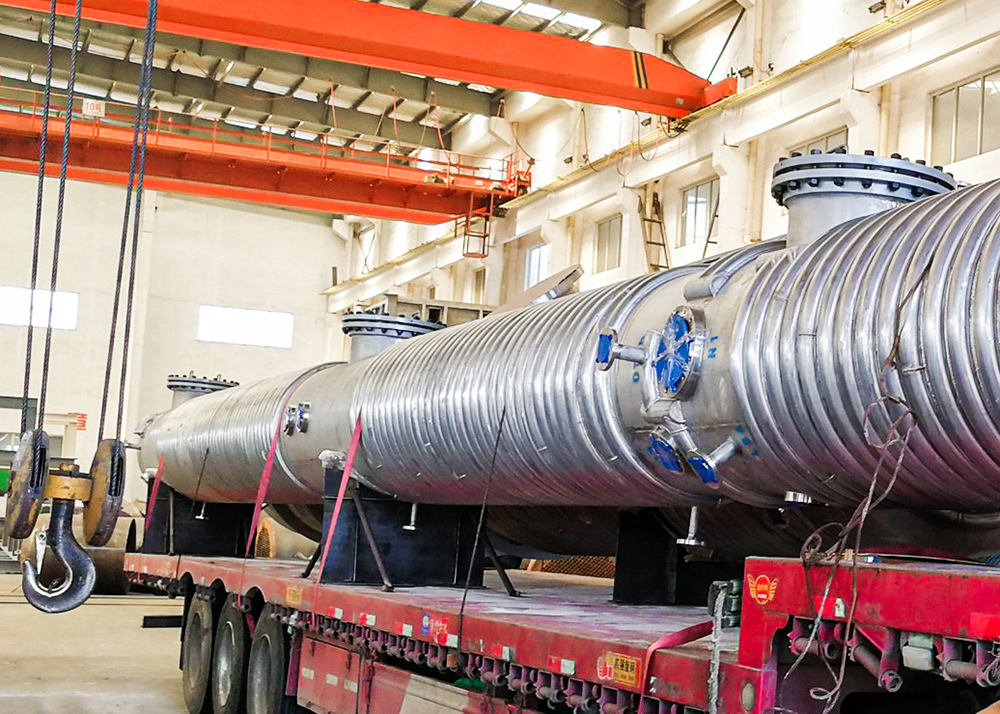
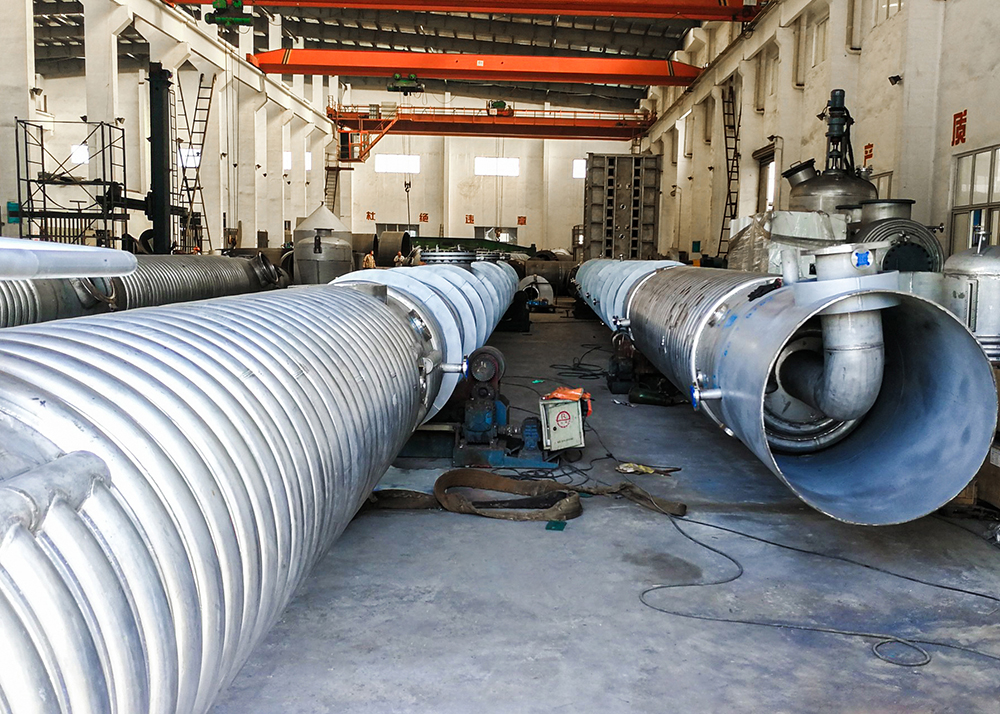
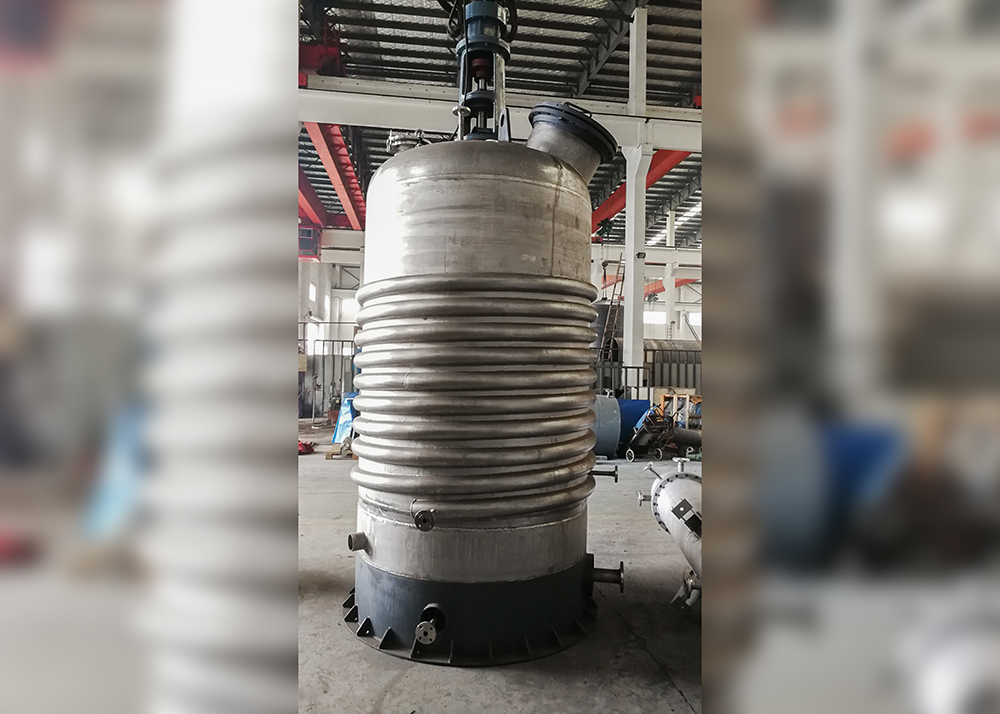
Inner coil tube (immersion material): fast heat transfer and most accurate temperature control; Suitable for low viscosity, clean, and strongly exothermic systems (such as nitrification and polymerization); The disadvantage is that it is easy to hang on the wall and difficult to clean.
Outer coil tube (welding kettle outer wall): easy to clean, no material contamination risk; Suitable for high viscosity, solid content, and high cleanliness scenarios (such as resins and pharmaceuticals); The heat transfer efficiency is slightly lower.







 Service Hotline

 Hotline:0512-52093708
 E-mail:yutezjl@163.com
 Address:No. 101, Taojia Bridge, Dahe Village, Shanghu Town, Changshu City, Suzhou City, Jiangsu Province


 Add wechat
 Contact us
 Telephone