What are the characteristics of stainless steel spiral plate heat exchangers
Information summary:Stainless steel spiral plate heat exchanger is an efficient heat exchange equipment made of stainless steel plate as the core component, using spiral winding, fully welded or detachable structure. With the advantages of reasonable flow channel, efficient heat transfer, compact structure, and strong corrosion resistance, it is widely used in industries such as petroleum, chemical, light industry, f
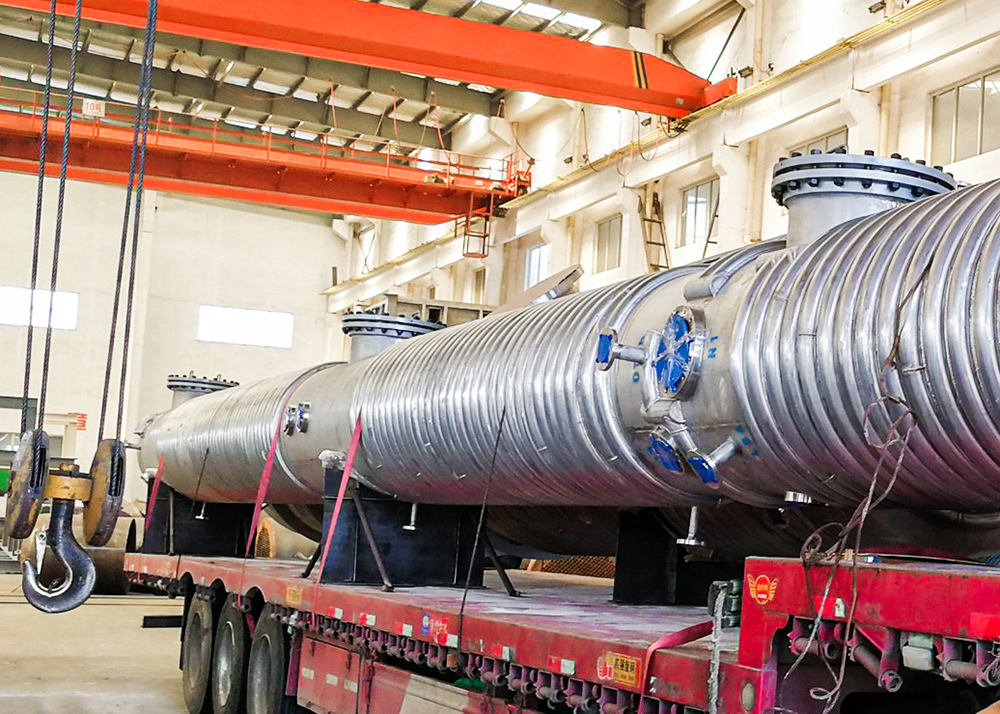
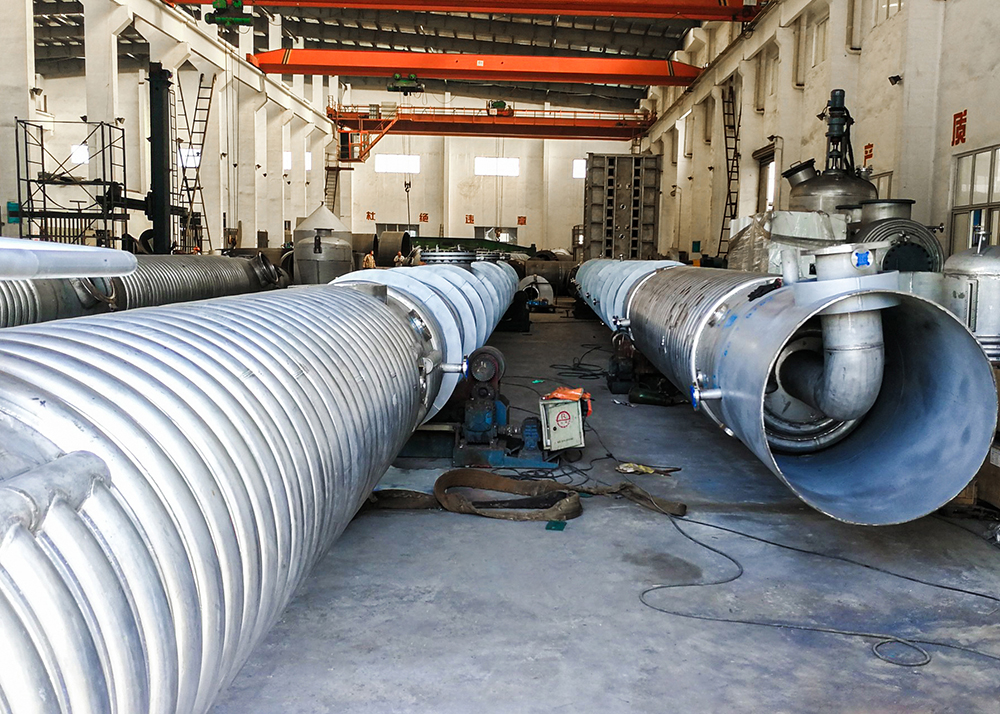
Stainless steel spiral plate heat exchanger is an efficient heat exchange equipment made of stainless steel plate as the core component, using spiral winding, fully welded or detachable structure. With the advantages of reasonable flow channel, efficient heat transfer, compact structure, and strong corrosion resistance, it is widely used in industries such as petroleum, chemical, light industry, food, medicine, HVAC, environmental protection, etc. It is an ideal equipment for heat exchange of liquid-liquid, gas-liquid, steam water and other media.
1、 High heat transfer efficiency and excellent heat transfer effect
Adopting a pure countercurrent heat transfer method, the medium flows in a spiral shape in the spiral channel, with uniform flow velocity, no short circuit dead corners, sufficient heat transfer, and a much higher heat transfer coefficient than traditional shell and tube heat exchangers.
Moderate turbulence can be formed in the flow channel, effectively preventing dirt from adhering. Long term operation can still maintain stable and efficient heat transfer performance, greatly improving energy utilization efficiency.
2、 Compact structure and small footprint
The equipment is of integral spiral winding structure, with small volume and light weight, and the ratio of heat transfer area to floor area is much better than that of shell and tube heat exchangers.
Under the same heat exchange area, it occupies only 1/3 to 1/5 of the shell and tube type, which is particularly suitable for working conditions with limited space and compact layout, making it easy to install, modify and move.
3、 Stainless steel material, strong corrosion resistance
The main body is made of excellent stainless steel plates such as 304, 316L, 321, and duplex steel, which are resistant to acid and alkali, oxidation, low temperature, and high temperature, and are suitable for heat exchange in various corrosive media.
The surface is smooth, non-toxic, odorless, easy to clean, and meets food and medical hygiene standards. It can be used for clean conditions such as drinking water, beverages, pharmaceuticals, dairy products, etc.
4、 Smooth flow channel, not easily blocked, easy to clean
The spiral channel is a single channel with no dead corners or bypass, allowing the medium to pass smoothly. Fibrous, granular, and viscous materials are not easily deposited or blocked.
The detachable structure is easy to open, clean, inspect, and maintain, and is suitable for heat exchange conditions of sewage, slurry, high viscosity, and easily crystallizable media.
5、 Good sealing performance, safe and reliable operation
The fully welded structure has extremely strong sealing, no leakage hazards, and can withstand high pressure and temperature, adapting to the heat exchange requirements of high temperature, high pressure, flammable, explosive, and toxic media.
The equipment has uniform stress distribution, strong resistance to impact, vibration, and thermal deformation, stable operation, and long service life.
6、 Strong adaptability and wide applicability
It can meet various process requirements such as liquid-liquid, gas-liquid, steam water, condensation, evaporation, preheating, cooling, and waste heat recovery.
Temperature, pressure, material, and diameter can be customized to adapt to complex working conditions such as low-temperature waste heat recovery, high-temperature cooling, chemical reaction heat exchange, HVAC heat exchange, food sterilization and cooling.
7、 Energy saving and consumption reducing, low overall cost
High heat exchange efficiency can significantly reduce energy consumption of steam, cooling water, refrigerant, etc., and improve waste heat recovery rate.
The equipment has low resistance, low energy consumption, simple maintenance, long maintenance cycle, effectively reducing operating costs and later maintenance expenses, and a short investment return cycle.







 Service Hotline

 Hotline:0512-52093708
 E-mail:yutezjl@163.com
 Address:No. 101, Taojia Bridge, Dahe Village, Shanghu Town, Changshu City, Suzhou City, Jiangsu Province


 Add wechat
 Contact us
 Telephone