What is the corrosion resistance of stainless steel tower with outer coil tube
Information summary:The outer coil stainless steel tower adopts the structure of stainless steel body+stainless steel outer coil. Its overall corrosion resistance is mainly determined by the material grade, medium environment, structural design and manufacturing process. It has excellent corrosion resistance, high temperature resistance and aging resistance. It is an ideal equipment for chemical, environmental protec
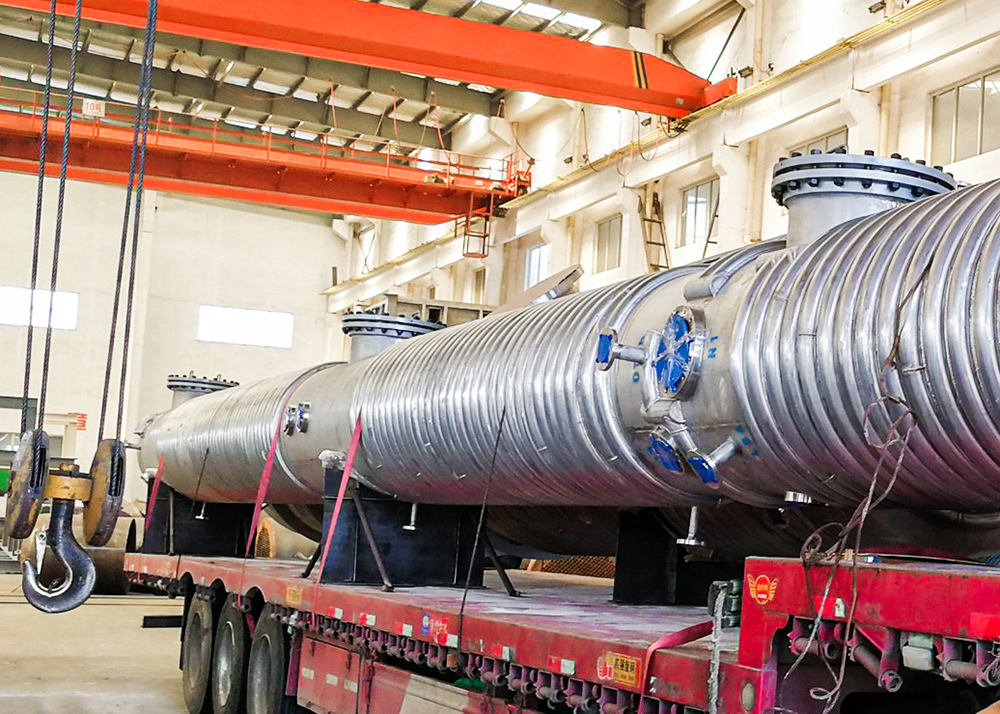
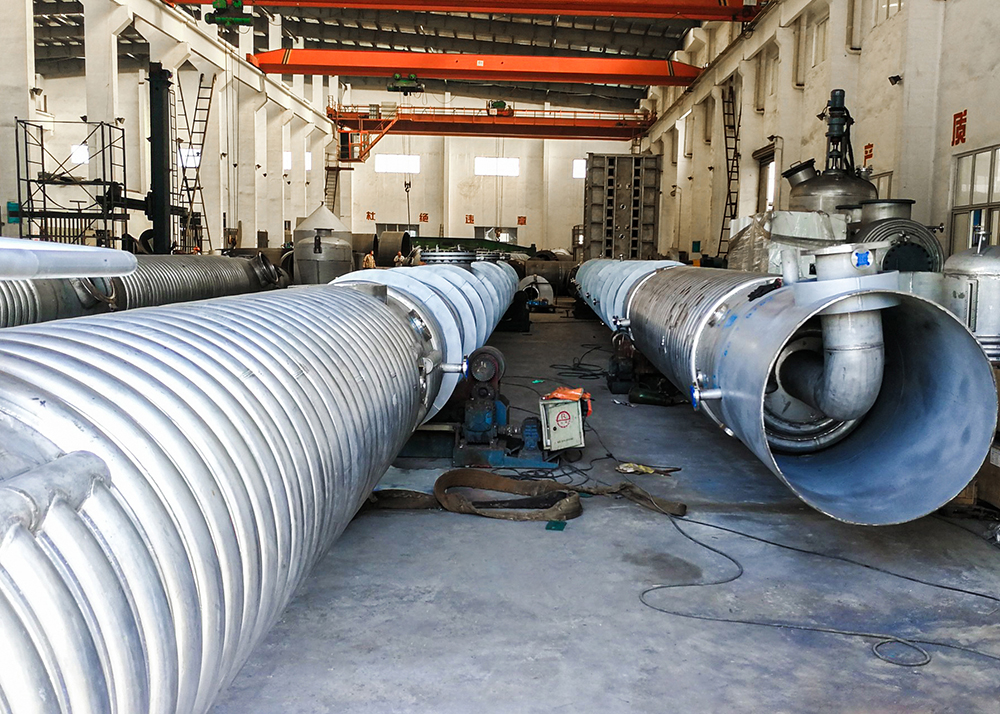
The outer coil stainless steel tower adopts the structure of stainless steel body+stainless steel outer coil. Its overall corrosion resistance is mainly determined by the material grade, medium environment, structural design and manufacturing process. It has excellent corrosion resistance, high temperature resistance and aging resistance. It is an ideal equipment for chemical, environmental protection, pharmaceutical, food and other corrosive conditions.
1、 The substrate material determines the basic corrosion resistance ability
1. SUS304 stainless steel is commonly used
Under conditions of water, neutral salt solution, weak organic acid, and normal pressure and temperature, it has excellent corrosion resistance, is not easy to rust or oxidize, and can meet most environmental protection, cooling, and storage scenarios.
2. Choose 316L/321/904L/duplex steel for strong corrosion conditions
It has stronger adaptability to chloride ions, dilute sulfuric acid, weak acids, seawater, sulfur-containing media, and high-temperature humid and hot environments. Its resistance to pitting corrosion, intergranular corrosion, and stress corrosion is significantly improved, and its service life is longer.
3. High purity media can be selected from 310S high-temperature resistant stainless steel
Has excellent high-temperature oxidation resistance, carburizing resistance, and sulfurization resistance, suitable for high-temperature heating and heat exchange conditions.
2、 The beneficial effect of outer coil structure on corrosion resistance
1. Outer coil arrangement to avoid erosion and corrosion of internal components
The heat exchange coil is placed outside the tower body, without direct contact with the medium inside the tower, greatly reducing fluid erosion, cavitation, and medium corrosion on the heat exchange tube, and extending the overall life.
2. Reduce welding seams and dead corners inside the tower to lower the risk of corrosion
The inner wall of the tower is smooth and continuous, without gaps, dead corners, or liquid accumulation areas caused by built-in heat exchange tubes, making it less prone to local corrosion, galvanic corrosion, and subsurface corrosion.
3. The tower body and coil are made of homogeneous materials to avoid galvanic corrosion
Both the main body and the coil are made of stainless steel of the same or similar material, which can effectively prevent potential corrosion between different metals, and the overall corrosion is uniform and controllable.
3、 Manufacturing and surface treatment enhance corrosion stability
1. Acid pickling and passivation treatment
After forming, a dense, continuous, and stable chromium rich oxide film is formed on the surface of stainless steel through overall acid pickling and passivation, significantly improving its corrosion resistance and pitting resistance.
2. Weld polishing and non-destructive testing
Polish and polish the welding area to eliminate the sensitization tendency of the heat affected zone, reduce the risk of intergranular corrosion, and ensure that the corrosion resistance of the weld is consistent with that of the base material.
3. No dead angle arc transition design
The corner inside the tower adopts a large circular arc transition, which is not easy to accumulate materials or liquids, and avoids crevice corrosion and pit corrosion caused by high local concentration.
4、 Applicable working conditions and corrosion-resistant boundary
1. Applicable environment
Neutral, weakly alkaline, and weakly acidic media
Water medium, circulating cooling water, steam heat exchange
Food and beverage, pharmaceutical hygiene level working conditions
Medium low temperature, normal pressure or low pressure working conditions
2. Environment to be used with caution
High concentration hydrochloric acid, hydrofluoric acid, and concentrated chloride solutions
High temperature, high pressure, strong acid environment
Long term dry wet alternation, high chlorine and high sulfur extreme corrosive environment
This type of working condition requires upgrading materials (such as duplex steel 2205, titanium, etc.) and implementing anti-corrosion reinforcement design.








 Service Hotline

 Hotline:0512-52093708
 E-mail:yutezjl@163.com
 Address:No. 101, Taojia Bridge, Dahe Village, Shanghu Town, Changshu City, Suzhou City, Jiangsu Province


 Add wechat
 Contact us
 Telephone